An observational study exploring how the Five-Body Healing Method supported post-surgical recovery and improved mobility, posture and overall wellbeing.
Surgery can repair a structure, but it does not always restore the wider system around it.
Many people who undergo knee replacement surgery find that even after a technically successful procedure, recovery can be slower and more complex than expected. Pain may persist and movement can remain restricted.
Conventional physiotherapy can help, but for some patients’ recovery seems to stall. The physical repair has been made, yet the body itself has not fully regained balance.
This is the gap that Khi Tam Therapy is designed to address.
Khi Tam Therapy approaches recovery through the Five-Body Healing Method, supporting not only the physical structure of the body but also the deeper systems that influence how healing unfolds. Posture, breath, nervous system regulation, energy flow and emotional resilience are all considered part of the process.
To explore how this approach might support people after surgery, we conducted a six-month observational study in London.
—
The London Study
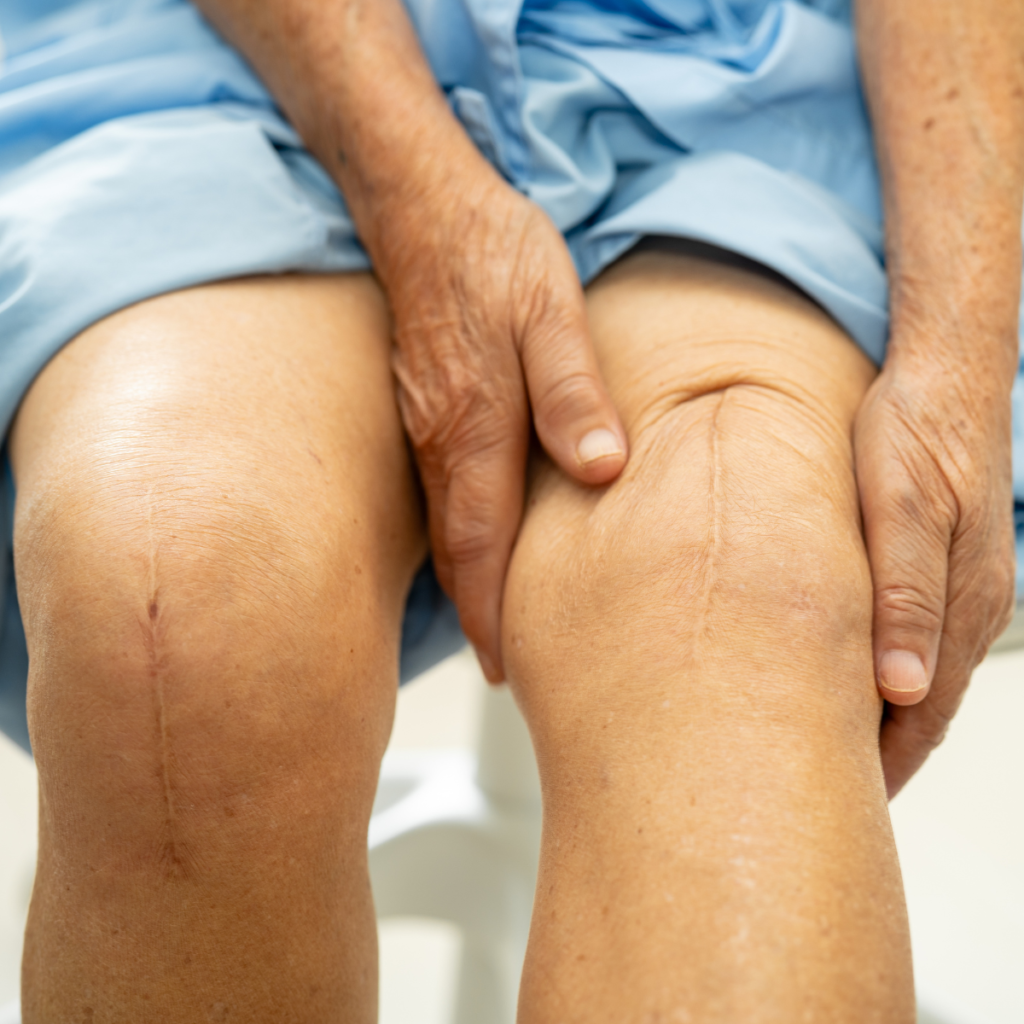
Over six months, we worked with ten patients, all aged between 55 and 65, each of whom had undergone knee replacement surgery. Each arrived with significant pain — scoring 8 or above on the VAS pain scale — and limited mobility. All had previously tried conventional physiotherapy with limited results.
Rather than treating the knee in isolation, we applied the Five-Body Healing Method, working simultaneously across the physical, energy, emotional, mental and spiritual dimensions of each person’s health.
The protocol included hands-on massage therapy to release muscular compression and restore alignment, therapeutic yoga for mobility and strength, breathwork and meditation to reduce stress and support mental wellbeing, energy training to improve circulation and vitality and alkaline-focused nutrition to aid joint recovery.
Sessions were held in person once a week, supported by guided home practice through the Sridevi Therapy App.
Progress was tracked using PostureScreen 4D and Freemed sensor technology, alongside regular monitoring of pain, posture, sleep quality and overall wellbeing.
—
Results After Six Months
After six months, the results were significant.
Average pain scores fell from 8.1 to 0.6.
Pain-free walking distance increased from half a kilometre to over four kilometres.
Foot pressure, postural alignment and spinal load all showed measurable improvement — indicating that the body was not just feeling better, it was functioning differently.
Beyond the clinical data, patients reported better sleep, reduced anxiety, improved breathing and circulation and a renewed sense of energy and inner steadiness.
These are not separate outcomes. They reflect what happens when the whole system is supported — not just the structure that was operated on.
—
A Complex Recovery Case
One participant, a 64-year-old man, came to us carrying far more than a recovering knee.
His medical history included multiple surgeries, a torn Achilles tendon, chronic migraines, insomnia, prostate surgery and ongoing symptoms associated with long COVID.
His treatment focused on postural realignment, sacrum and gait correction, breathwork, trigger point release and mindfulness-based energy work.
By the end of the six months, his knee pain had reduced significantly.
But beyond that, his migraines had become less frequent, his sleep had improved and he described feeling more emotionally resilient and energised than he had in years.
This is what treating the whole person, rather than the presenting complaint, can look like.
—
Implications for Recovery
Musculoskeletal conditions — particularly among adults over 55 — are among the leading causes of long-term disability worldwide. As demand on healthcare systems grows, there is increasing need for approaches that are not only effective but sustainable.
Khi Tam Therapy has been formally recognised by Complementary Health Professionals (CHP) in the UK as a CAM (Complementary and Alternative Medicine) approach. This study, presented at the SIEV-2025 National Scientific Conference in Vietnam, contributes to a growing body of evidence supporting integrative, whole-body rehabilitation.
We are not suggesting that complementary therapy replaces surgical care. We are showing what becomes possible when it works alongside it.
—
What Comes Next
This research is a beginning, and the results have sharpened our sense of what is possible. Larger studies, hospital collaborations and continued data collection will extend our understanding of how integrative approaches can support post-surgical recovery and help establish their place within mainstream rehabilitation pathways.
The body often has a greater capacity to heal than its symptoms suggest. When all five dimensions of a person’s health are supported, recovery can extend well beyond the physical.
Book a Free 15 Minute Consultation
If you would like to discuss your symptoms, health goals, or current challenges, we offer a complimentary 15-minute consultation.
This provides an opportunity to learn more about the Five-Body Healing Method and explore whether our approach may be suitable for your needs.
To learn more about our therapy services and training programmes, visit khitamhealthhub.com